
Property Protection
How to Protect Vacant Land in India While Living Overseas
Regular inspections, boundary checks, photo evidence and records monitoring — a realistic approach to protecting vacant land you can't watch yourself.
· Property Protection
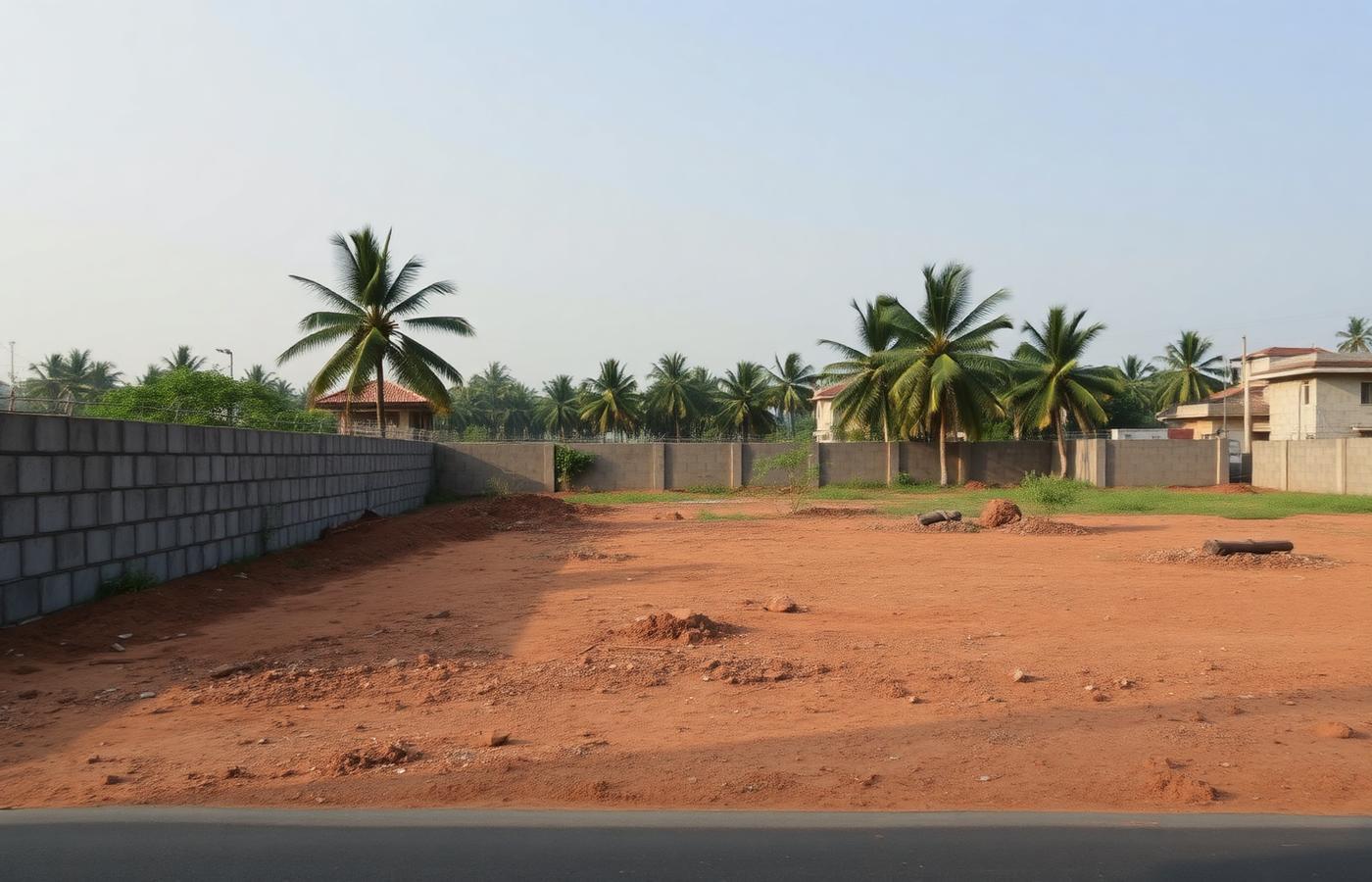
Vacant land is the property type most exposed to quiet, gradual problems — a shifted boundary marker, a neighbour's fence that has crept a little further each year, debris dumping that turns into informal occupation. None of it happens overnight, and none of it is visible from abroad unless someone is actually looking. This is a realistic look at what protecting vacant land actually takes when you can't check on it yourself — not a guarantee that any of it prevents every dispute, but a description of what meaningfully reduces the risk.
Regular physical inspections
The single most useful thing you can do for a vacant plot is have someone physically walk it on a schedule, not just when you happen to be visiting India. A quarterly or monthly cadence, depending on the property's value and risk profile, turns "I hope it's fine" into "I know what it looked like six weeks ago."
Boundary markers and fencing
Boundary stones and pegs get displaced — sometimes accidentally, sometimes not. Basic fencing or wall construction, even a simple low boundary, does two things: it makes the limit of your property visually unambiguous, and it raises the effort required for informal encroachment. Neither is foolproof, but both matter.
Photo and video documentation over time
A single photo proves what a property looked like on one day. A dated series of photos from repeat visits proves something more useful: whether anything has changed. This is the evidence that actually supports a claim later, if you ever need to show a local authority or a court what the property looked like at a given point in time.
Warning signs worth watching for
- Displaced or missing boundary stones, pegs or markers.
- New fencing, walls or structures encroaching from an adjoining plot.
- Debris dumping, informal grazing, or signs of temporary occupation.
- A blocked, narrowed, or altered access road.
- Unexplained activity or construction on or near the boundary.
Records monitoring
Physical condition is half the picture. Periodically re-checking available government land records — ownership/name entries, survey details, land classification — catches the kind of problem that never shows up as anything visible on the land itself, such as an unauthorized mutation entry. See our guide to mutation, Patta, Khata and revenue records for what these records actually cover.
Local changes and staying informed
Roads get built, neighbouring land gets developed, local authorities update zoning — changes near your property can affect it even when nothing happens on the plot itself. A local point of contact or a monitoring service that visits regularly is often the only realistic way to stay aware of this from overseas.
Periodic comparison reports
The real value compounds over time: a first visit establishes a baseline, and every later visit is compared against it, so you see a trend rather than isolated snapshots. This is the structure behind our Property Watch subscription — scheduled ground visits, dated evidence, and a Property Health Score with a record of what changed between visits. For higher-risk or higher-value land, our Property Protect 360 plan adds more frequent visits and a records-watch schedule on top of the same monitoring.
Being realistic about limits
None of this — fencing, inspections, records checks, monitoring — eliminates the possibility of a dispute or encroachment attempt. What it does is meaningfully reduce the odds of one going unnoticed for months or years, and gives you documented evidence if you ever need to act on a problem quickly.
Put your vacant land under regular watch
Scheduled ground visits, dated evidence and comparison reports — built for owners who can't check in person.